Cart
0
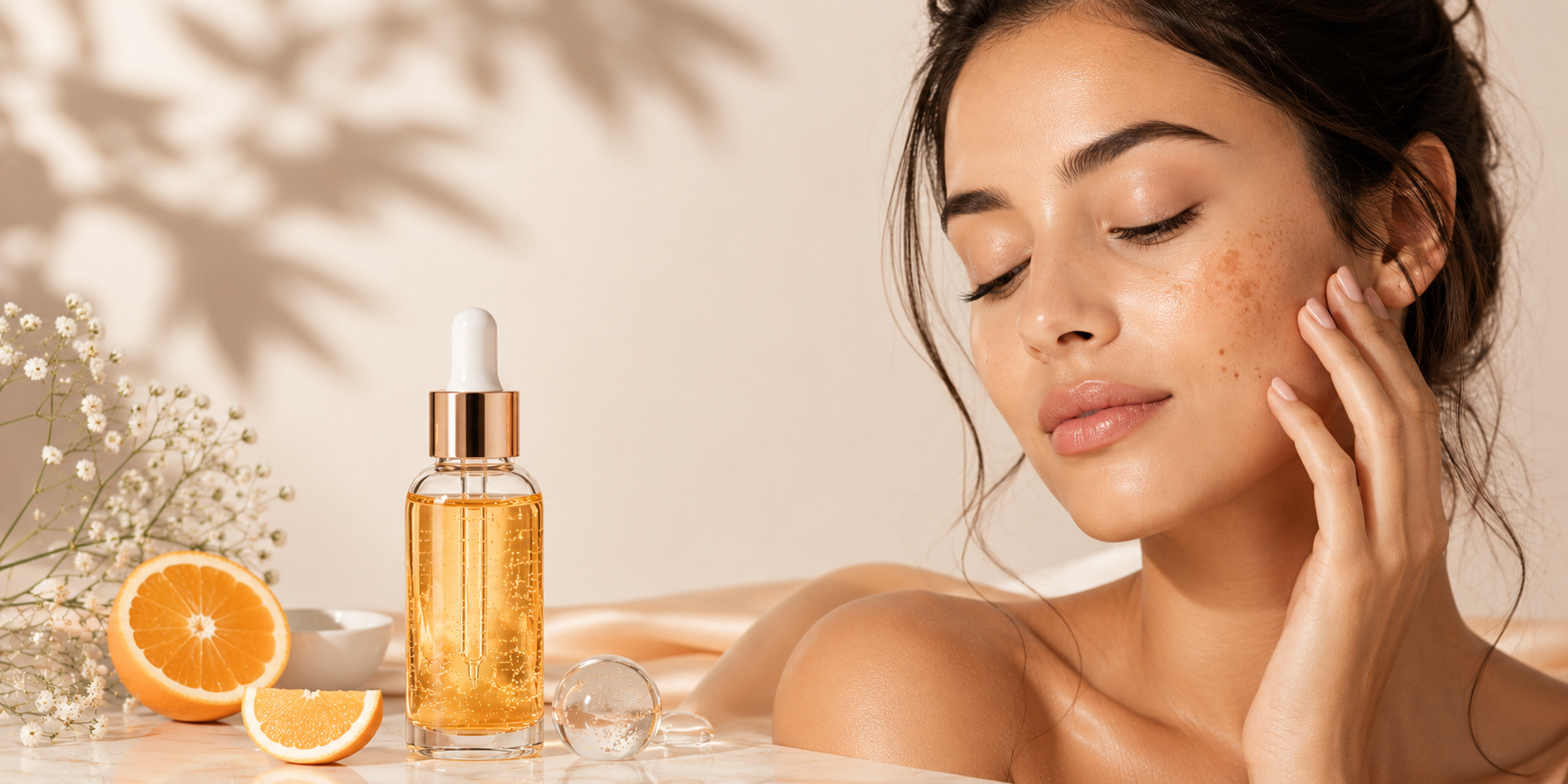
Vitamin C for Pigmentation: How to Choose the Right Strength Without Irritating Your Skin
Pigmentation is one of the most common skincare concerns, affecting people of all ages and skin types. Whether it's post-acne marks, sun spots, melasma, or uneven skin tone, finding an effective solution can be challenging.
Vitamin C has become a skincare favourite for its ability to brighten skin, reduce dark spots, and promote a more even complexion. However, choosing the wrong concentration can lead to redness, stinging, and irritation—especially for sensitive skin.
At Halalzen, we're committed to helping you make informed skincare choices. In this guide, you'll learn how Vitamin C works for pigmentation, how to choose the right strength, and how to use it safely for the best results.
What Causes Pigmentation?
Pigmentation occurs when excess melanin is produced in certain areas of the skin. Common causes include:
-
Sun exposure
-
Acne and blemishes
-
Hormonal changes
-
Skin inflammation
-
Ageing
-
Environmental stressors
These factors can leave behind dark spots and uneven skin tone that often take months to fade naturally.
How Vitamin C Helps Reduce Pigmentation
Vitamin C is a powerful antioxidant that works in several ways to improve skin tone.
Key Benefits of Vitamin C
Brightens Dull Skin
Vitamin C helps promote a more radiant complexion by supporting healthy skin cell turnover.
Reduces Dark Spots
It can help inhibit melanin production, making existing pigmentation less noticeable over time.
Protects Against Environmental Damage
As an antioxidant, Vitamin C helps neutralise free radicals caused by pollution and UV exposure.
Supports Collagen Production
Vitamin C encourages collagen synthesis, helping skin appear firmer and smoother.
Improves Overall Skin Tone
Regular use can help create a more even complexion and healthy glow.
Understanding Vitamin C Strengths
Not all Vitamin C products are created equal. Choosing the right concentration is essential to avoid irritation while still achieving visible results.
5%–10% Vitamin C
Best For:
-
Beginners
-
Sensitive skin
-
Dry skin
-
Easily irritated skin
Benefits:
-
Gentle on the skin
-
Provides antioxidant protection
-
Helps brighten skin gradually
-
Lower risk of irritation
If you're new to Vitamin C, starting with a lower concentration allows your skin to build tolerance.
10%–15% Vitamin C
Best For:
-
Most skin types
-
Mild pigmentation
-
Uneven skin tone
Benefits:
-
Effective brightening
-
Improved pigmentation reduction
-
Good balance between results and comfort
Many skincare professionals consider this range the ideal starting point for addressing pigmentation.
15%–20% Vitamin C
Best For:
-
Experienced Vitamin C users
-
Stubborn pigmentation
-
More resilient skin types
Benefits:
-
Stronger brightening effects
-
Enhanced antioxidant protection
-
Faster visible improvements
However, higher strengths can increase the risk of:
-
Tingling
-
Redness
-
Dryness
-
Skin sensitivity
Which Vitamin C Form Is Best?
L-Ascorbic Acid
The most researched and potent form of Vitamin C.
Pros:
-
Fast results
-
Effective pigmentation treatment
Cons:
-
Can irritate sensitive skin
-
Less stable than other forms
Sodium Ascorbyl Phosphate
A gentler Vitamin C derivative suitable for sensitive and acne-prone skin.
Magnesium Ascorbyl Phosphate
Known for brightening and hydrating benefits with a lower risk of irritation.
Ascorbyl Glucoside
A stable form of Vitamin C that provides gradual brightening while remaining gentle on the skin.
How to Introduce Vitamin C Without Irritation
Start Slowly
Begin by applying Vitamin C every other morning rather than daily.
Use a Small Amount
A few drops are typically enough for the entire face.
Follow with Moisturiser
Hydration helps support the skin barrier and reduce sensitivity.
Wear Sunscreen Daily
Vitamin C works best when combined with broad-spectrum SPF protection.
This is especially important in the UK, where UV exposure can still contribute to pigmentation throughout the year.
Common Mistakes to Avoid
Choosing the Highest Strength Immediately
Higher percentages don't always mean better results.
Using Too Many Active Ingredients Together
Combining Vitamin C with strong acids or exfoliants may increase irritation.
Skipping Sunscreen
Without SPF, pigmentation can worsen despite using Vitamin C.
Expecting Instant Results
Pigmentation takes time to fade. Consistency is key.
Building a Pigmentation-Focused Routine
Morning Routine
-
Gentle Cleanser
-
Vitamin C Serum
-
Moisturiser
-
SPF 30 or Higher
Evening Routine
-
Cleanser
-
Hydrating Serum
-
Moisturiser
For advanced users, ingredients like retinol can be incorporated in the evening under professional guidance.
How Long Does Vitamin C Take to Work?
Most people begin noticing:
-
Increased brightness within 2–4 weeks
-
Improved skin tone after 6–8 weeks
-
Reduced pigmentation after 8–12 weeks
Results vary depending on the severity of pigmentation and consistency of use.
Is Vitamin C Suitable for Sensitive Skin?
Yes, but choosing the right formula is crucial.
Sensitive skin types should:
-
Start with 5%–10% concentration
-
Choose gentler derivatives
-
Introduce products gradually
-
Always moisturise well
Final Thoughts
Vitamin C remains one of the most effective ingredients for tackling pigmentation and achieving a brighter, more even complexion. The key to success is choosing the right strength for your skin type and introducing it gradually to minimise irritation.
For beginners and sensitive skin, lower concentrations often provide excellent results without discomfort. More experienced users may benefit from higher strengths when treating stubborn pigmentation.
At Halalzen, we believe healthy, glowing skin starts with informed skincare choices. With patience, consistency, and proper sun protection, Vitamin C can become one of the most valuable additions to your skincare routine.